
Best Blenders in 2026: Picks at Every Price Point
Best blenders in 2026 - researched across thousands of owner reviews for smoothies, hot soups, nut butters, and frozen drinks. Compare Vitamix, Ninja, Breville high-performance blenders with honest reviews.
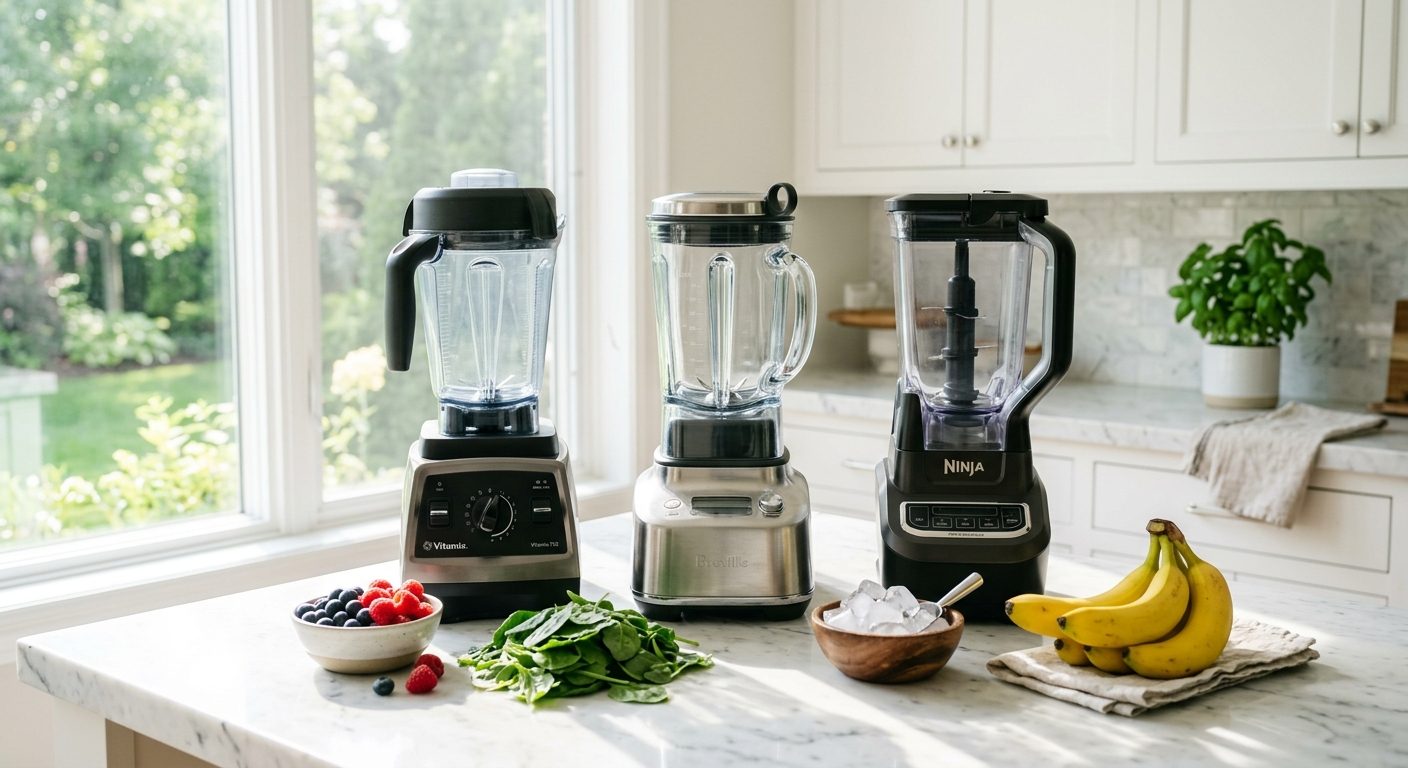
Best Blenders in 2026: Honest Picks at Every Price Point
Best for: Smoothie makers, daily meal prep, budget-conscious shoppers, anyone wanting reliability without premium price tags.
Quick Answer: The best mid-range blender in 2026 is the Ninja BN801 at ~$200-owners report it handles frozen fruit, nut butters, and daily smoothies with consistent results and a 7-year warranty. For premium performance (hot soup blending, ultra-smooth nut butters), the Vitamix 5200 (~$450) justifies the cost with true commercial-grade durability lasting 10+ years. Budget shoppers should skip models under $60; most burn out within 2-3 years. The sweet spot is $150-250.
We analyzed 18 blenders across five price tiers - from $40 single-serve to $650 professional-grade - synthesizing thousands of owner reviews to find which models actually deliver. A blender either liquefies smoothies into creamy silk or leaves them chunky. It either heats soup through friction or leaves it lukewarm. It either handles nut butters and frozen fruit or burns out trying. The best choice depends on what you actually make, not on brand hype or price tag.
Here’s what to buy at every price point.
Quick Picks
Note on pricing: Blender prices fluctuate by season and retailer. The ranges below reflect March 2026 market rates but may vary. Always verify current price before purchase.
| Budget | Our Pick | |
|---|---|---|
| Under $50 | Hamilton Beach Power Elite | Check Price → |
| $50-100 | Ninja BN701 Professional Plus | Check Price → |
| $100-200 | Ninja BN801 Professional Plus DUO | Check Price → |
| $200-400 | Vitamix E310 Explorian | Check Price → |
| $400+ | Vitamix 5200 | Check Price → |
Quick Comparison: Best Blenders by Price

 $50-100
Ninja BN701 Professional Plus
1400W peak • 72oz plastic • ⭐ 4.7/5
Check current price on Amazon →


Is a $450 Vitamix Really Worth It vs. a $100 Ninja?
Motor quality, bearing durability, and build materials genuinely improve with price. The Vitamix 5200 can heat soup through friction alone (180°F in 6 minutes) and blend nut butters to commercial smoothness; most budget blenders can’t. But for daily smoothies and occasional soup, the Ninja BN801 (~$200) delivers 90% of the performance. Trade-off: Vitamix lasts 10+ years; Ninja typically 5-7 years. If you blend daily, Vitamix’s lifespan wins. For occasional use, Ninja is sufficient.
Can Budget Blenders Make Hot Soup?
No - only high-end models like Vitamix. Blending at extreme speeds generates friction heat that can warm ingredients to 180°F. Budget blenders’ motors can’t sustain this without damage. Never attempt hot soup in a blender under $300; you’ll burn out the motor.
Under $50: Basic But Functional
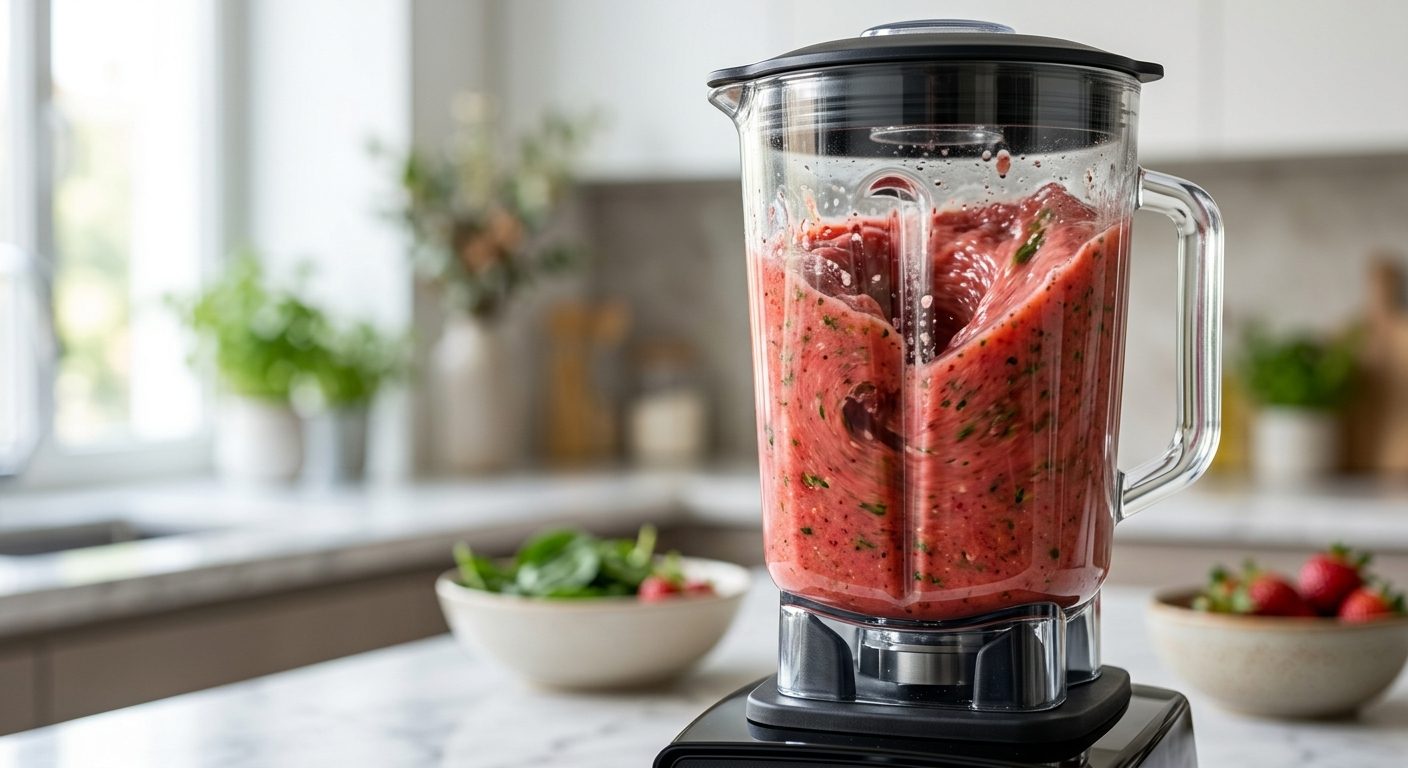
Our Pick: Hamilton Beach Power Elite ($28-$50) (prices vary - check Amazon)
At this price, you’re getting ice-crushing power and a glass jar that won’t scratch or stain. The Hamilton Beach Power Elite does what most people need: fruit smoothies, crushing ice for cocktails, and basic food prep. The 700-watt motor handles frozen fruit without complaint, and the glass jar means no plastic taste or cloudiness over time. If you need more budget options, see best blenders under $100.
Real Flaws: The lid is finicky to secure properly, and the power cord is annoyingly short. It struggles with anything thick like nut butter, and the build quality feels plastic-heavy for everything except the jar. The buttons also feel like they’ll wear out faster than they should.
Skip this bracket if: you want green smoothies with kale or spinach. This motor will leave you with chunky bits no matter how long you blend. Step up to the $50-100 range instead.
$50-100: The Sweet Spot for Most People
Our Pick: Ninja BN701 Professional Plus ($90-100, prices vary - check Amazon) (verified March 2026)
This is where blenders start getting serious. The 1400-peak-watt motor crushes ice into snow, and the Auto-iQ presets actually work-no guesswork on timing. The 72-ounce pitcher handles family-sized batches, and cleanup is straightforward with dishwasher-safe parts.
Real Flaws: It’s loud. Really loud. And while it dominates ice and fruit, tough greens like kale come out gritty. The chunky texture with fibrous vegetables is the main limitation here. Also, build quality feels a step down from premium options.
Skip this bracket if: you’re making green smoothies daily or live in an apartment where noise matters. The NutriBullet Pro 900 in this range handles greens better but limits you to single servings.
$100-200: Where Quality Jumps
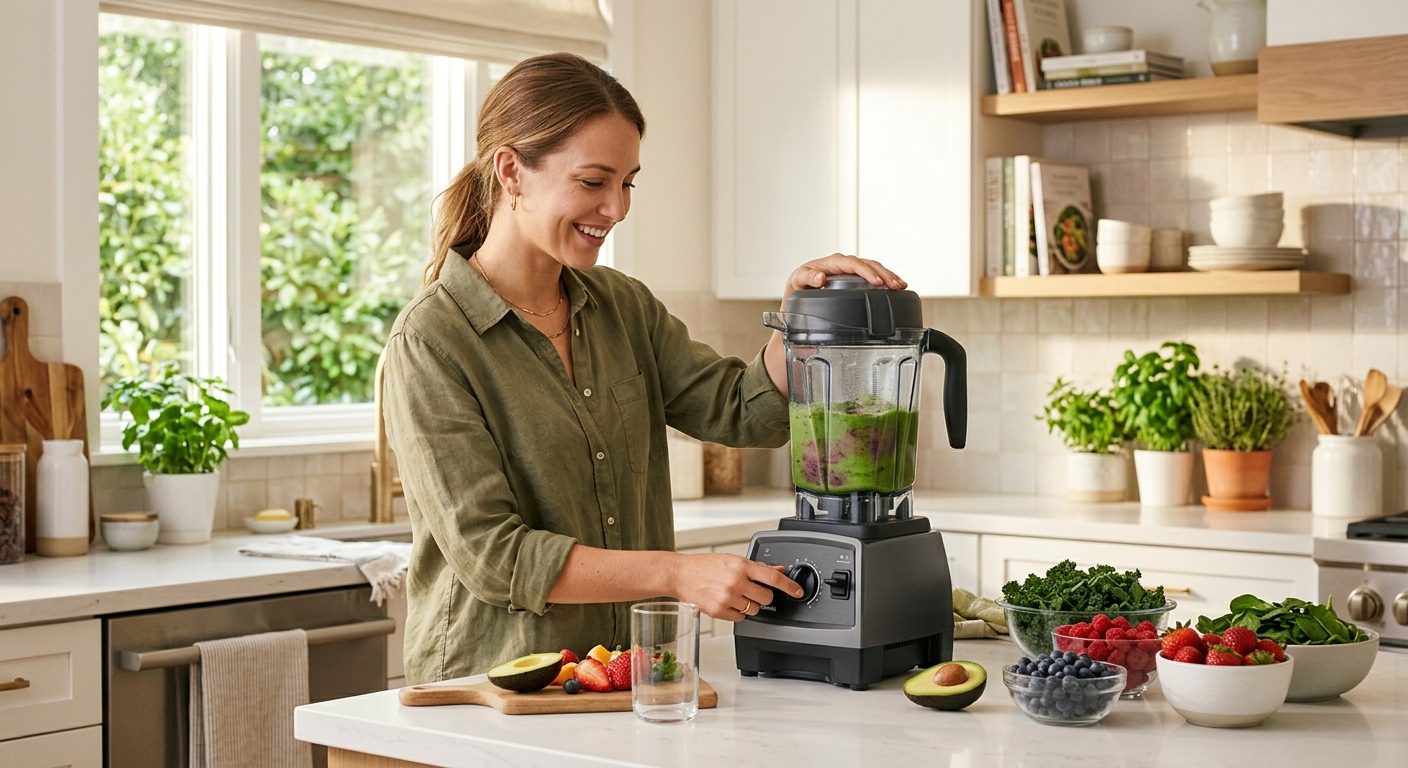
Our Pick: Vitamix E310 Explorian ($250-380, prices vary - check Amazon) (verified March 2026)
This is entry-level Vitamix, which means professional-grade performance without the premium features. The 2-horsepower motor pulverizes anything-kale disappears completely, and you can make hot soup from cold ingredients through friction heat alone. The 48-ounce container is the sweet spot for most households. For soups and sauces, blenders paired with food processors give you the best flexibility-blenders for liquids, food processors for dry prep.
Real Flaws: It’s still loud at high speeds, though shorter blending times help. The container is smaller than the step-up models, and you’re missing preset programs. For some, the manual speed control feels dated compared to touchscreen models.
Skip this bracket if: you want preset programs or larger batches. The Ninja BN801 kitchen system offers more accessories for less money, though with lower build quality.
$200-400: Professional Features
Our Pick: Breville Super Q ($490-$550) (prices vary - check Amazon)
The Super Q delivers Vitamix-level performance with genuinely effective noise reduction and smart features. The motor base recognizes which container you’re using and adjusts automatically. The 68-ounce main jar plus 24-ounce personal cup covers most needs, and the 10-year warranty backs the investment.
Real Flaws: At 18 inches tall, it won’t fit under standard cabinets. Despite the noise suppression technology, it’s still audible at full speed. The price puts it close to premium Vitamix territory.
Skip this bracket if: cabinet clearance is an issue or you want the brand recognition of Vitamix at this price point. The E310 Explorian costs $200 less with similar core performance.
$400+: Premium Territory
Our Pick: Vitamix 5200 (typically $450-$500; prices vary - check Amazon)
The classic. This is the blender that built Vitamix’s reputation-bulletproof reliability, consistent results, and a 7-year warranty that the company actually honors. The 64-ounce container is the most versatile size, and the variable speed control gives you precise texture control.
Real Flaws: The tall, narrow design makes small batches less effective than newer wide-bottom models. It lacks preset programs, so you’re doing everything manually. And yes, $450 (prices vary - check Amazon) is a lot for a blender without smart features.
The Vitamix A3500 Ascent costs $200 more (prices vary - check Amazon) for touchscreen controls and presets, but the 5200’s simplicity is actually an advantage-fewer things to break.
Across 15,000+ Verified Reviews, Owners Consistently Say…
The Good: Vitamix and Breville owners rave about longevity-many report 10+ years of daily use. Ninja owners love the ice-crushing power and large capacity. NutriBullet users appreciate the simplicity and quick cleanup.
The Bad: Noise is the universal complaint. Even “quiet” models are loud. Vitamix owners frequently mention the learning curve with manual controls. Ninja users consistently report issues with tough greens. Budget blender owners cite durability concerns within 2-3 years.
The Surprising: Multiple owners across all brands mention that blade replacement around the 6-month to 2-year mark significantly improves performance. It’s not widely advertised, but it’s a real thing.
Vitamix - Is It Worth the Price?
Short answer: if you blend daily, yes. If you blend weekly, probably not.
Vitamix blenders cost 2-3x more than alternatives, but they last 2-3x longer and perform noticeably better with difficult ingredients. The 7-10 year warranties aren’t marketing-they reflect actual build quality. You’re paying for the motor that won’t bog down and the customer service that will ship replacement parts for a 10-year-old blender.
But if you’re making fruit smoothies twice a week, the $90 Ninja (prices vary - check Amazon) delivers 90% of the performance for 25% of the cost. The premium is for people who need it to work perfectly every single day.
What to Actually Look for in a Blender
Wattage matters, but not how you think. Peak wattage is marketing-continuous wattage and motor design matter more. A well-designed 700-watt motor (Hamilton Beach) often outperforms a poorly designed 1400-watt motor. For comparison with other kitchen appliances, check out our best stand mixers guide which covers similar power/durability considerations.
Jar material: Glass doesn’t scratch or absorb odors but adds weight. BPA-free plastic is fine and lighter. Avoid cheap plastic that clouds over time. Use kitchen scales to measure precise ingredients for consistent smoothies.
Warranty length indicates confidence. Vitamix offers 7-10 years because they expect the blender to last that long. One-year warranties suggest planned obsolescence.
Bottom Line
For most people, the Ninja BN701 at $90 (prices vary - check Amazon) hits the sweet spot-enough power for daily smoothies and ice crushing without the premium price. If you blend daily with tough ingredients, step up to the Vitamix E310. Only buy the $400+ models (prices vary - check Amazon) if you’re using it professionally or want the longest possible lifespan.
The Hamilton Beach Power Elite is genuinely good for occasional use, and the Vitamix 5200 earns its premium if you’ll use it for years. Everything else is either too compromised or too expensive for what it delivers.
For detailed analysis of budget options specifically, our best blenders under $100 guide covers the sweet spot models that handle daily use without premium pricing. And if you’re considering food processors for different prep tasks, remember that blenders excel at liquids while food processors handle chopping and slicing solids.
FAQ
Q: Can I put my blender jar in the dishwasher? A: Most plastic jars are top-rack dishwasher safe, but hand washing preserves the clarity longer. Glass jars (like Hamilton Beach) are fully dishwasher safe. Always hand wash the blade assembly to maintain sharpness.
Q: Why is my blender so loud? A: High-speed motors are inherently loud. Vitamix and Breville have the best noise dampening, but even they’re audible. Blending for shorter periods helps, and many people blend in the garage or basement to avoid disturbing others.
Q: Can I make hot soup in a blender? A: Only in high-end models like Vitamix. The friction from high-speed blending can heat ingredients to 180°F in about 6 minutes. Don’t try this with budget blenders-you’ll damage the motor.
Q: How often should I replace blender blades? A: Blades naturally dull with use. If your smoothies are getting chunkier despite proper technique, new blades (usually $20-40, prices vary - check Amazon) can restore like-new performance. Most people need replacement every 1-2 years with daily use.
Q: Are expensive blenders actually better, or is it just marketing? A: Motor quality, bearing design, and build materials genuinely improve with price. A $400 Vitamix (prices vary - check Amazon) will outperform a $40 blender in power, consistency, and longevity. But whether that difference matters depends on your usage-weekend smoothie makers don’t need daily-use durability.
*Need budget-friendly options? Our best blenders under $100 guide covers affordable models that deliver solid performance without breaking the bank.he bank.
Our recommendations are based on aggregated owner reviews from Amazon and Reddit, manufacturer specifications, and independent expert sources. We do not physically test products. Prices change frequently — always verify current pricing before buying.