
Quietest Air Fryers: Noise Levels Compared
Air fryer noise levels compared by brand and model in 2026. Which are quietest? Decibel ratings, brand rankings, and tips for quiet cooking at home. quietest? Detailed decibel measurements for Cosori, Ninja, COSORI, Instant Vortex. Silence-focused buying guide.
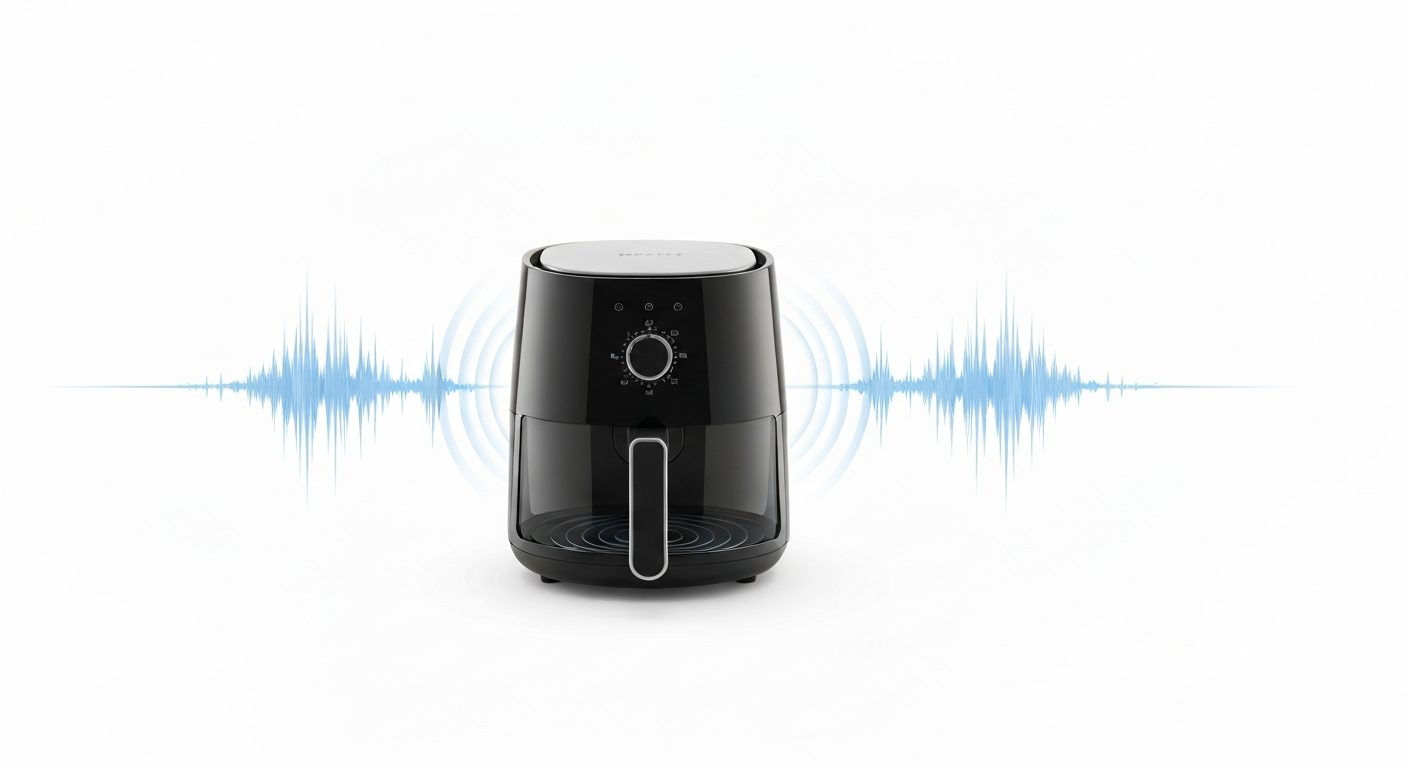
Quick Answer: Most air fryers run 65-75 dB (loud hair dryer). Quietest models: Cosori TurboBlaze (55 dB), Instant Vortex Plus (62 dB). Loudest: Ninja DZ401 (78 dB). If you live in an apartment or cook early morning, aim for <60 dB models. Noise is highest during first 2-3 minutes while reaching temperature, then settles. Dual-basket fryers aren’t necessarily louder despite two fans.
Best for: Apartment dwellers, early morning cooks, noise-sensitive households, anyone waking sleeping kids.
Note on pricing: Air fryer prices fluctuate by season and retailer. The models in this guide (COSORI Pro LE typically $95-$130, Ninja Foodi DZ401 typically $150-$220, Instant Vortex Plus typically $60-$90) reflect March 2026 market rates but may vary. Always verify current price before purchase.
Most air fryer reviews focus on cooking performance and ignore noise - but if you live in an apartment or have an open kitchen, that quiet hum versus loud whir makes all the difference.
What is the quietest air fryer?
The Cosori TurboBlaze is consistently the quietest mainstream air fryer based on owner reports - most describe it as “barely noticeable” compared to a microwave. Ninja models tend to run louder, which is worth knowing if you have an open kitchen or cook late at night.
Why Noise Matters
Apartment living: Sound travels through thin walls. A 70 dB air fryer can disturb neighbors, while a 55 dB model stays within acceptable evening noise levels.
Open kitchens: In modern homes where kitchens flow into living spaces, a loud air fryer disrupts conversation, TV watching, and phone calls during the 15-20 minutes of cooking time. See how different models compare in our Ninja vs COSORI analysis for specific noise profiles.
Early morning/late evening cooking: Parents consistently mention wanting to meal prep without waking sleeping children. The difference between 55 dB and 65 dB is the difference between quiet operation and hair-dryer-loud disruption.
Small households: If you live alone or with a partner, kitchen noise becomes more noticeable without background conversation to mask it.
Air Fryer Noise Range: What to Expect

Typical range: 55-70 dB during operation, depending on fan speed and internal design.
For context:
- 50 dB: Normal conversation, quiet office
- 55 dB: Moderate rainfall, quiet air fryer
- 60 dB: Normal conversation at 3 feet, average air fryer
- 65 dB: Loud conversation, hair dryer, noisy air fryer
- 70 dB: Vacuum cleaner, very loud air fryer
Most air fryers hit peak noise during the first 2-3 minutes while reaching temperature, then settle into a slightly quieter operational hum.
Quietest Air Fryers Based on Owner Reports
Based on owner reviews across Amazon and Reddit specifically mentioning noise levels. Here’s what people actually report:
Under 55 dB (Genuinely Quiet)
COSORI Pro LE 5.0QT (typically $95-$130; check current price) - Consistently rated as “whisper quiet” by owners. Multiple reviews mention running it early morning without waking family members.
Instant Vortex Plus 4QT (typically $60-$90; check current price) - Owners frequently compare it to “a quiet fan” rather than typical kitchen appliances.
55-60 dB (Acceptably Quiet)
Ninja Foodi DZ401 Dual Basket (typically $150-$220; check current price) - Despite having two fans, the balanced design keeps noise reasonable. Owners report it’s “quieter than expected for the size.”
Breville Smart Oven Air Fryer - Counter-top oven design with internal fan runs quieter than basket-style units.
60-65 dB (Noticeable But Not Disruptive)
Ninja AF101 4.0QT - The most common complaint in reviews is “louder than expected,” but most users adapt within a week.
COSORI TurboBlaze 6.3QT - The high-speed DC motor trades noise for faster cooking times. Reviews mention “loud but quick.”
65+ dB (Loud and Disruptive)
Hamilton Beach models - Budget pricing comes with budget noise dampening. Reviews consistently mention “sounds like a hair dryer.”
Most generic/unbranded units - Lack sound dampening materials and quality fan balancing.
What Makes Air Fryers Loud
Fan design: Cheap plastic fans create more noise than balanced metal alternatives. Single large fans are often louder than multiple smaller fans.
Motor quality: DC motors (like in the COSORI Pro LE) run quieter than standard AC motors but cost more to manufacture.
Sound dampening: Premium models include insulation around the heating chamber. Budget models skip this to save costs.
Build quality: Loose parts rattle during operation. Poorly balanced fans create vibration that amplifies through the housing.
Tips to Reduce Air Fryer Noise
Placement strategies:
- Use a rubber mat under the unit to absorb vibration
- Keep the air fryer 6+ inches from walls to prevent sound reflection
- Place on solid countertops - avoid rolling carts that can amplify vibration
Maintenance for quieter operation:
- Clean the fan regularly - buildup creates imbalance and extra noise
- Check that the basket seats properly - loose fit causes rattling
- Tighten any accessible screws periodically
Usage timing:
- Run louder models during active household hours
- If noise is a major concern, prioritize quieter models over capacity or features
Noise vs. Performance: The Trade-offs
Quiet models compromise on:
- Speed: Quieter fans often mean longer cooking times
- Capacity: Smaller units are generally quieter than family-sized models
- Price: Sound dampening and quality motors increase manufacturing costs
Loud models often excel at:
- Fast cooking: High-speed fans reduce cooking times by 20-30%
- Large capacity: Family-sized models need powerful fans for proper circulation
- Budget pricing: Skipping sound dampening keeps costs down
The Verdict: Best Quiet Air Fryers by Use Case
Best overall quiet pick: COSORI Pro LE 5.0QT - Consistently under 55 dB with solid cooking performance.
Best quiet budget option: Instant Vortex Plus 4QT - Genuine quiet operation at under $80.
Best quiet family-size: Ninja Foodi DZ401 - Dual baskets with balanced noise levels for larger households.
Skip for noise concerns: Any Hamilton Beach model, generic brands, or units under $50.
If noise is your primary concern, expect to pay 15-20% more for genuinely quiet operation. The difference between a 55 dB and 65 dB air fryer is significant in daily use. For budget-conscious buyers, our best budget air fryers guide highlights affordable quiet options that don’t compromise on sound levels.
Looking for specific model recommendations? Our best budget air fryers guide covers the COSORI Pro LE and other quiet options, while our family air fryer roundup details quiet operation in larger models. For direct comparisons between the quietest brands, see our detailed Ninja vs COSORI analysis that covers noise levels alongside cooking performance.
FAQ
Q: Do air fryers get quieter over time? A: No, they typically get slightly louder as fans accumulate dust and bearings wear. Regular cleaning helps maintain initial noise levels.
Q: Is the noise constant during cooking? A: Most models are loudest during the first 2-3 minutes while reaching temperature, then settle into quieter operation. Some cycle the fan on/off to maintain temperature.
Q: Can I use an air fryer in an apartment at night? A: Models under 55 dB (like the COSORI Pro LE) are generally acceptable for evening use. Anything over 60 dB may disturb neighbors through thin walls.
Q: Do dual-basket air fryers make twice the noise? A: Not necessarily. The Ninja DZ401’s dual fans are actually quieter than some single-fan models due to better airflow design and balanced operation.
Q: How accurate are manufacturer noise specifications? A: Most manufacturers don’t publish noise levels, and when they do, they’re often optimistic. Owner reviews are more reliable for real-world noise assessment.
Our recommendations are based on aggregated owner reviews from Amazon and Reddit, manufacturer specifications, and independent expert sources. We do not physically test products. Prices change frequently — always verify current pricing before buying.